Sunday, September 29, 2013

The Victory Squawk of the Little Blue Penguin

Apr. 03, 2012
by Kara Rogers
Little Penguin (Eudyptula minor) family exiting burrow, Bruny Island, Tasmania, Australia. Photo by Noodle snacks.

Victory is sweet, so much so that we often feel compelled to rejoice with a cry of triumph. For some animals, that cry not only announces a win to all those within earshot but also serves surprisingly complex social functions. Take, for instance, the call of the victorious little blue penguin (Eudyptula minor), which a recent study in the journal Animal Behavior revealed has a direct effect on the behavior of “social eavesdroppers” -- penguins who, from the safety of their burrows, assess the quality of fighting individuals based solely on their vocalizations.

Male little blue penguins are fierce defenders of their territories and frequently become engaged in flipper-slapping territorial disputes. At the conclusion of a scuffle, the winner celebrates with a so-called triumph display, in which he delivers a victory bray -- a distinctive squawk that according to the new study serves as a sort of warning signal to other males in the colony, potentially mitigating future confrontations for the winner and preventing embarrassing defeats for lesser male challengers.
Little blue penguins, which are the smallest penguins in the world, are social animals that use vocalization during activities such as courtship and foraging and as a way of announcing their arrival at their home burrows. However, while much is known about the various functions of many of the penguins' calls, the social significance of vocalization associated with victory calls had remained unclear.

To assess the impact of triumph brays on the behavior of eavesdropping penguins, the scientists played a recording of a vocal exchange and flipper-slapping fight between territorial males and then played recordings of both the victor's triumph call and the loser's call. They then measured the heart rates of eavesdroppers in response to the sounds using heart monitors hidden in artificial eggs that were placed in the penguins' nests. The team found that eavesdropping males' heart rates increased in response to the victor's call when compared with the loser's call. In addition, in simulated approach experiments in which the loser's or winner's call was played just outside the entrance of an eavesdropper's burrow, the scientists discovered that eavesdropping males challenged the loser's call with vocalizations of their own but fell silent when the triumph call was played.

Triumph displays and other forms of postconflict signaling have been documented in a variety of species, including birds such as the Canada goose (Branta canadensis), the greylag goose (Anser anser), and the bell shrike (Laniarius aethiopicus), as well as animals such as the green frog (Rana clamitans) and an insect known as the Wellington tree weta (Hemideina crassidens). Postconflict signaling in these species appears to function either as a form of advertising, in which the winner's display communicates his dominance to eavesdroppers, or as a form of intimidation, in which the winner's display serves to reduce the chance that the loser will initiate a future challenge. Thus, in many ways, by showing off a little after a victory, these animals are simply establishing their reputation as winners. In other words, they're behaving very much like humans.

source

Wednesday, September 18, 2013

Ten-Year Project Redraws the Map of Bird Brains

 
A revised map of the bird brain shows cortical areas organized in columns, as in mammals and humans. (Credit: Image courtesy of Duke University)

Sep. 17, 2013 — Explorers need good maps, which they often end up drawing themselves.

Pursuing their interests in using the brains of birds as a model for the human brain, an international team of researchers led by Duke neuroscientist Erich Jarvis and his collaborators Chun-Chun Chen and Kazuhiro Wada have just completed a mapping of the bird brain based on a 10-year exploration of the tiny cerebrums of eight species of birds.

In a special issue appearing online in the Journal of Comparative Neurology, two papers from the Jarvis group propose a dramatic redrawing of some boundaries and functional areas based on a computational analysis of the activity of 52 genes across 23 areas of the bird brain.

Jarvis, who is a professor of neurobiology at Duke, member of the Duke Institute for Brain Sciences, and a Howard Hughes Medical Institute investigator, said the most important takeaway from the new map is that the brains of all vertebrates, a group that includes birds as well as humans, have some important similarities that can be useful to research.

Most significantly, the new map argues for and supports the existence of columnar organization in the bird brain. "Columnar organization is a rule, rather than an exception found only in mammals," Jarvis said. "One way I visualize this view is that the avian brain is one big, giant gyrus folding around a ventricle space, functioning like what you'd find in the mammalian brain," he said.

To create different patterns of gene expression for the analysis, the birds were exposed to various environmental factors such as darkness or light, silence or bird song, hopping on a treadmill, and in the case of migratory warblers, a magnetic field that stimulated their navigational circuits.

The new map follows up on a 2004 model, proposed by an Avian Brain Nomenclature Consortium, also lead by Jarvis and colleagues, which officially changed a century-old view on the prevailing model that the avian brain contained mostly primitive regions. They argued instead that the avian brain has a cortical-like area and other forebrain regions similar to mammals, but organized differently.

"The change in terminology is small this time, but the change in concept is big," Jarvis said. For this special issue, the of Journal of Comparative Neurology commissioned a commentary by Juan Montiel and Zoltan Molnar, experts in brain evolution, to summarize the large amount of data presented in the studies by the Jarvis group.

One of the major findings is that two populations of cells on either side of a void called the ventricle are actually the same cell types with similar patterns of gene expression. Earlier investigators had thought of the ventricle as a physical barrier separating cell types, but in development studies led by Jarvis' post doctoral fellow Chun-chun Chen, the Duke researchers showed how dividing cells spread in a sheet and flow around the ventricle as they multiply.

The new map simplifies the bird cortex, called pallium, from seven populations of cells down to four major populations. Humans have five populations of cells in six layers.

Part of this refinement is simply that the tools are getting better, says Harvey Karten, a professor of neurosciences at the University of California-San Diego who proposed a dramatic re-thinking of bird cortical organization in the late 1960s. The best tools in that era were microscopes, specific cell stains and electrophysiology. Karten and colleagues are authors of a fourth paper in the special issue which announces a database of gene expression profiles of the avian brain containing some of the data that the Jarvis group used.

Jarvis said having a more specific map is necessary for properly sampling cell populations for gene expression analysis to do even more functional analysis of how the brain operates. As a next step, his team is considering doing an even more detailed bird map with "several hundred" genes rather than the 52 used to make this map.

Jarvis and colleagues are working now on a similar mapping of the crocodile brain with the ultimate goal of being able to say something about how dinosaur brains were organized, since both birds and crocs are descended from them. At a Society for Neuroscience conference in November, they'll be presenting some early findings from that project.

Though the specifics of this newest map may only be of interest within the bird research community, Jarvis said, it builds the awareness that birds can be a useful model for many questions about the human brain.

"Where does the mammalian brain come from?" Karten asks. "And what's the origin of these structures at the cellular and molecular level?" Some neuroscientists have argued that the mammalian cortex -- the one we have -- is something apart from the brains of other vertebrates. Jarvis and Karten now think vertebrate brains have more commonalities than differences.

That awareness is making birds an ever more useful model for questions about the human brain. "There are very few animal models where you can learn -- at the molecular level -- what's going on in vocal learning," Karten said. Birds are also being used as models for research on Parkinson's, Huntington's, deafness and other degenerative conditions in humans.

The work was supported by grants from Human Frontiers in Science Program, The National Science Foundation, NIMH (R01-MH62803), NIDCD (R01-DC007218), NIH ARRA Supplement 3DP10D000448-04S1 and the Howard Hughes Medical Institute.


Story Source:
The above story is based on materials provided by Duke University.
Note: Materials may be edited for content and length. For further information, please contact the source cited above.

Journal References:
  1. Erich D. Jarvis, Jing Yu, Miriam V. Rivas, Haruhito Horita, Gesa Feenders, Osceola Whitney, Syrus Jarvis, Electra R. Jarvis, Lubica Kubikova, Ana E. P. Puck, Connie Siang-Bakshi, Suzanne Martin, Michael McElroy, Erina Hara, Jason Howard, Henrik Mouritsen, Chun-Chun Chen, Kazuhiro Wada. A global view of the functional molecular organization of the avian cerebrum: Mirror images and functional columns. Journal of Comparative Neurology, 2013; DOI: 10.1002/cne.23404
  2. Chun-Chun Chen, Candace M. Winkler, Andreas R. Pfenning, Erich D. Jarvis. Molecular profiling of the developing avian telencephalon: regional timing and brain subdivision continuities. Journal of Comparative Neurology, 2013; DOI: 10.1002/cne.23406

Duke University (2013, September 17). Ten-year project redraws the map of bird brains. ScienceDaily. Retrieved September 18, 2013, from http://www.sciencedaily.com­ /releases/2013/09/130917093924.htm
 

How Birds Got Their Wings: Fossil Data Show Scaling of Limbs Altered as Birds Originated from Dinosaurs

Archaeopteryx lithographica, specimen displayed at the Museum für Naturkunde in Berlin. Believed to be a transitional species between theropod dinosaurs and birds, Archaeopteryx had longer forelimbs and shorter hind limbs than its ancestors. (Credit: By H. Raab (User:Vesta) (Own work) [CC-BY-SA-3.0 or GFDL], via Wikimedia Commons)


Sep. 17, 2013 — Birds originated from a group of small, meat-eating theropod dinosaurs called maniraptorans sometime around 150 million years ago. Recent findings from around the world show that many maniraptorans were very bird-like, with feathers, hollow bones, small body sizes and high metabolic rates.

But the question remains, at what point did forelimbs evolve into wings -- making it possible to fly?
McGill University professor Hans Larsson and a former graduate student, Alexander Dececchi, set out to answer that question by examining fossil data, greatly expanded in recent years, from the period marking the origin of birds.

In a study published in the September issue of Evolution, Larsson and Dececchi find that throughout most of the history of carnivorous dinosaurs, limb lengths showed a relatively stable scaling relationship to body size. This is despite a 5000-fold difference in mass between Tyrannosaurus rex and the smallest feathered theropods from China. This limb scaling changed, however, at the origin of birds, when both the forelimbs and hind limbs underwent a dramatic decoupling from body size. This change may have been critical in allowing early birds to evolve flight, and then to exploit the forest canopy, the authors conclude.

As forelimbs lengthened, they became long enough to serve as an airfoil, allowing for the evolution of powered flight. When coupled with the shrinking of the hind limbs, this helped refine flight control and efficiency in early birds. Shorter legs would have aided in reducing drag during flight -- the reason modern birds tuck their legs as they fly -- and also in perching and moving about on small branches in trees. This combination of better wings with more compact legs would have been critical for the survival of birds in a time when another group of flying reptiles, the pterosaurs, dominated the skies and competed for food.

"Our findings suggest that birds underwent an abrupt change in their developmental mechanisms, such that their forelimbs and hind limbs became subject to different length controls," says Larsson, Canada Research Chair in Macroevolution at McGill's Redpath Museum. Deviations from the rules of how an animal's limbs scale with changes in body size -- another example is the relatively long legs and short arms of humans -- usually indicate some major shift in function or behaviour. "This decoupling may be fundamental to the success of birds, the most diverse class of land vertebrates on Earth today."

"The origin of birds and powered flight is a classic major evolutionary transition," says Dececchi, now a postdoctoral researcher at the University of South Dakota. "Our findings suggest that the limb lengths of birds had to be dissociated from general body size before they could radiate so successfully. It may be that this fact is what allowed them to become more than just another lineage of maniraptorans and led them to expand to the wide range of limb shapes and sizes present in today's birds."

"This work, coupled with our previous findings that the ancestors of birds were not tree dwellers, does much to illuminate the ecology of bird antecedents." says Dr. Dececchi. "Knowing where birds came from, and how they got to where they are now, is crucial for understanding how the modern world came to look the way it is."

Funding for the research was provided by the Fonds de recherche du Québec -- Nature et technologies, the Canada Research Chairs program, and the National Sciences and Engineering Research Council of Canada.


Story Source:
The above story is based on materials provided by McGill University.
Note: Materials may be edited for content and length. For further information, please contact the source cited above.

Journal Reference:
  1. T. Alexander Dececchi, Hans C. E. Larsson. Body and Limb Size Dissociation at the Origin of Birds: Uncoupling Allometric Constraints Across a Macroevolutionary Transition. Evolution, 2013; 67 (9): 2741 DOI: 10.1111/evo.12150

McGill University (2013, September 17). How birds got their wings: Fossil data show scaling of limbs altered as birds originated from dinosaurs. ScienceDaily. Retrieved September 18, 2013, from http://www.sciencedaily.com­ /releases/2013/09/130917123613.htm

Sunday, September 8, 2013

Worldwide Researchers Flock to Penguin Meeting

Originally published on Fri September 6, 2013
Transcript:

IRA FLATOW, HOST:

This is SCIENCE FRIDAY. I'm Ira Flatow. Just about everybody loves penguins, right? They're funny on land. They're amazing underwater, and they're very photogenic, so they show up in lots of ads and movies. But beyond the screen, prospects for the birds are not entirely good. This week, over 200 researches from around the world met in the U.K. to talk penguins, from the prospects of conservation of species to how penguins are able to stay under water so long, to the properties of penguin poop.

Joining me now to talk about it is Peter Barham. He's a professional teaching fellow in physics at the University of Bristol. He's also the chair of the organizing committee for the Eighth International Penguin Conference, which wrapped up today. Welcome to SCIENCE FRIDAY.

PETER BARHAM: Good afternoon, I think it must be, Ira.

FLATOW: Thank you. First let me ask you: What's a physicist doing studying penguins?

BARHAM: Oh, physicists, of course, we turn our hands to anything. But I have had, through my wife, an obsession with penguins for quite some time. And a while back, must be - it was about 15, 16 years ago now, I went to the Third International Penguin Conference for fun and discovered that there were things to with tagging and marking and following penguins which a physicist's skills were helpful for, and got involved then, and it's since become a major part of my research career.

FLATOW: Yeah. You know, we see penguins in so many ads on TV and the movies, cute little fellows. We don't think of them as endangered at all, but they are, according to...

BARHAM: They are very much endangered, yes. There are 18 or maybe 19 species of penguin. It depends on how you do the genetics. and of those, all but three are listed on the IUCN red listed as being at least threatened, and three - no, four now are listed as being actually endangered. And of those, I would be surprised if any are still around at the end of this century.

FLATOW: Wow. And where is the endangerment coming from?

BARHAM: It's a mixture of causes. Principally, it is down to the inability of the penguins to find sufficient food in the localities where they're situated. Penguins, because when they're breeding and their raising young, have to go return to the colony where the young are, they can only swim for - depending on the species - one day or maybe three or four days before they have to return with food for the young.

And if there is no easily accessible food within that distance that they can find in the time, then they can't breed. So that's one of the major causes. Those, of course, are caused by the changing locations of fish because of a global change in ocean currents and the rising temperatures in the Antarctic of melting the ice, and also by the fact of where the fish are in large quantities is also where our fishing vessels are. And so there's competition with fisheries.

FLATOW: Wow. Is there some tool that the penguin research community really needs now?

BARHAM: There are lots of tools we need, and we've invested a lot of effort into managing to find great deal of information by remote sensing technologies. We had quite a lot of talks at the conference on using satellite imagery to locate penguin conferences(ph). But we still don't have a good technology for really understanding what they're doing on the longer trips away from the colonies between breeding seasons, when, actually, we know now that how well fed they are at the onset of breeding, then it has a great influence on how they breed. There's no technology which will last that long.

FLATOW: Because of the climate down there is so harsh.

BARHAM: People think of penguins coming from cold places. That's a fallacy. Penguins do breed all over the Southern Hemisphere, anywhere there is cold water. So there are penguins breeding in the Galapagos Islands - not many left, but they're there. And there actually are a few pairs of penguins that breed in the Galapagos Islands just north of the equator. Very few of those, probably three or four pairs in total.

But you'll find penguins breeding with their nest sites in the Atacama Desert in the west coast of Chile and Peru. You'll find penguins in Southern Africa. That's where I work, in around the Cape Town area, where the temperatures can easily reach 30 degrees. So the idea that penguins are limited to Antarctica is not true. And, in fact, the most endangered species are the temperate species, the species that are not in Antarctica.

FLATOW: So what's the course of action? How can - first, I guess you would have to get the public to realize how endangered they are.

BARHAM: That's a really key point: getting people involved and on all sides. And then the sort of measures you have to employ are things like habitat reconstruction, because we have effectively destroyed nearly all the penguin habitats in the temperate regions, because penguins live in sea bird colonies. Sea birds poop, and sea bird poop is guano, which is a fantastic fertilizer, and it's all being taken away. So they haven't got anywhere to nest any longer. So we have to put out artificial nests for them, and determining what the best sort of nest is.

That's one thing we can do. Other things we can do is try to influence fishery policy in those areas where penguins live, to sway the policymakers to ensure that the fishermen are not operating the same areas in direct competition with the penguins. And we know where the penguins - well, we have a good idea where the penguins are foraging, and we actually put tracking devices on them so we know where they are, and we can get some information that way.

FLATOW: Well, there are all kinds of treaties for fishing all kinds of different things in the oceans. There's nothing for penguins yet?

BARHAM: Well, there are no local treaties. These treaties that exist are largely global scale. So whilst there are maximum allowable catches in certain areas, they normally do not give escapement in the local area under penguin colony. So penguin colonies can be on a small island, or it may just be a 40-mile area around that island that's important, whereas the fishing (unintelligible) vast tracts of the oceans.

FLATOW: Right. You said one of the real problems you have is collecting data from these penguins. How could you - what kind of technology could...

BARHAM: Well, technology is fairly getting better. But what we need at the moment - and this came up quite a lot in our discussions - is the things we can't found out about are in detail what the penguins are doing when they are fishing. We can put GPS loggers, the time-depth recorders, so we can see when they're diving, how deep they're diving. But we can't really tell when they're eating and what they're eating.

And then if we do that, typically, those devices will only last with the battery power we have for up to a few weeks. Or you can put them on - they switch on. So we don't know what happens through - most penguin species will spend about three or four months away feeding up between breeding seasons, and that is a crucial part. We don't know where they're doing it. So we can't say to the fishing industries please don't fish there at that time of year, because we don't know where to say.

FLATOW: And you don't have any money to study it, I'll bet?

BARHAM: The sort of money you're talking about for those sorts of things would be quite high, but, you know, a -I mean, a typical tracking device which you'd put on at that stage would be lost because the bird would molt and it would leave the device behind. So it has to be a satellite that dumps the information back to the satellites. Those things work out at around about 3 to $5,000 each. You would need to take maybe several hundred tracts to get any real data. So you're looking at several hundreds of thousands of dollars to get one season's worth of data. Not cheap.

FLATOW: That's not really a lot of money, either, in, you know, when you think - compared to other things.

BARHAM: Well, it's not a lot of money, but it's not the sort of money that gets given out for these sorts of conservation projects. They're not sexy. They don't attract high sums of money from funders, by and large.

FLATOW: Yeah. You need a TV show.

BARHAM: That's a good thought, yes. The TV shows tend to be on the nice, cuddly side of penguins. It doesn't mention, oh by the way, they're on the way down. The other thing you said, by the way, penguins being cute. I can assure you they are not cute. They are vicious things, generally speaking. They hurt. They bite and scratch and everything else. So, yeah.

FLATOW: Yeah. Years ago, I had a few Emperor Penguins friendly to me when I was in Antarctica, but...

BARHAM: Yeah, I mean, Emperor Penguins are so unaccustomed to people that they will generally wander up to you and ignore you. But if you were, however, to want to put a tracking device on one, you would need to constrain it. You would need to hold it, and then you'd probably feel how powerful its flippers are. Species I work with, the African Penguin, they have - a best description from a colleague of mine was: They're a pair of razorblades on legs.

(LAUGHTER)

FLATOW: Wow. Now I know why you've fallen in love with penguins. It's fascinating. Listen, when I was in Antarctica, I fell in love with them, too, down there. So I wish you good luck. I wish now you get the amount of money you need to do your research. Money's tight. It doesn't seem like a lot of money. Good luck to you.

BARHAM: OK. Thank you very much.

FLATOW: Peter Barham is a professional teaching fellow in physics at the University of Bristol and chair of the organizing committee for the Eighth International Penguin Conference, which took place this week in Bristol, U.K. Transcript provided by NPR.

source

Saturday, September 7, 2013

Novel Method to Identify Suitable New Homes for Animals Under Threat from Climate Change

Emperor penguins. (Credit: Copyright Dr. Paul Ponganis, National Science Foundation)

Sep. 5, 2013 — Scientists at the Zoological Society of London (ZSL) have devised a novel method to identify suitable new homes for animals under threat from climate change.

Conservation scientists used their knowledge on species ecology to create habitat suitability maps and correctly identify sites that will remain viable in the future regardless of changing climate. However, the key for success is to understand, and account for, the link between variation in species population size, climate and how the climate may change.

Almost half of all bird and amphibian species are believed to be highly vulnerable to extinction from climate change. Species in extreme or rare habitats such as the emperor penguin in the Antarctic and American pika in the USA have already experienced drastic declines in populations due to the impact of climate change on their home.

As climate changes, many species will need to move to a different location in order to survive. For species that aren't able to do this naturally, the only chance of survival is a helping hand through the use of translocations.

The research is published today (6 September) in the Journal of Applied Ecology.

Dr Nathalie Pettorelli, ZSL's climate change coordinator and senior author on the paper, says: "Climate change poses a worrying threat to many animals, and relocating vulnerable species to new and more suitable habitats may be the only way to protect them. However, this is an extreme conservation action, which needs to be thoroughly justified, and requires clear guidance on where threatened populations should be moved. Our research shows how these key requirements can be met."

The team used the hihi bird as an example because of the conservation success which came after efforts put into its relocation since the 1980s. Yet, despite large investments into its protection, climate change is now posing a significant threat to its future survival.

Dr Alienor Chauvenet, lead author of the study, says: "All current hihi populations are surrounded by either a large stretch of water or unsuitable habitat such as farmland or cities with plenty of non-native predators. This isolation makes it very perilous for them to move and individuals attempting to relocate naturally are unlikely to survive.

"Our work shows that assisted colonisation may be the only way to guarantee the survival of this unique species under climate change," Dr Chauvenet added.

Translocations will continue to be an important part of conservation as climate changes. ZSL's novel method shows how these interventions can be planned to be successful even under the influence of a changing environment. The method can be applied to any species threatened by climate change, and is likely to contribute to the success of future translocations.


Story Source:
The above story is based on materials provided by Zoological Society of London, via EurekAlert!, a service of AAAS.
Note: Materials may be edited for content and length. For further information, please contact the source cited above.


Zoological Society of London (2013, September 5). Novel method to identify suitable new homes for animals under threat from climate change. ScienceDaily. Retrieved September 7, 2013, from http://www.sciencedaily.com­ /releases/2013/09/130905203018.htm

Tuesday, September 3, 2013

How Emperor Penguins stay underwater for 27 minutes

New research has revealed how the Emperor Penguin is able to dive to depths of over 500m and stay under water for up to 27 minutes – deeper and longer than any of its fellow avian species.
Researchers from the University of California will be presenting their new findings at the International Penguin Conference (IPC) which begins in Bristol today [02 September].

It's the first time the conference has been held in Europe, with 200 delegates from 30 countries sharing their latest research and knowledge at the University of Bristol and Bristol Zoo Gardens between 2 and 6 September.

Alexandra Wright and Dr Paul Ponganis investigated the heart rate response of Emperor Penguins as they made foraging trips to sea from the Cape Washington Colony in Antarctica.
 

Emperor Penguins also have unusually structured hemoglobin to allow it to function at low oxygen levels, solid bones to reduce barotrauma - physical damage to body tissues caused by a difference in pressure between a gas space inside, or in contact with the body, and the surrounding fluid, and the ability to reduce metabolism and to shut down non-essential organ functions.

The profound decline in heart rate - known as bradycardia – decreases oxygen consumption, conserves the respiratory and blood oxygen stores, and isolates muscle, which must rely instead on its own oxygen store which is bound to the muscle protein, myoglobin.

Although this heart rate response contrasts with other birds and terrestrial mammals, it is similar to the dive response of marine mammals.

Archbishop Desmond Tutu recorded a special video message to launch the event, which will see delegates sample papers on everything from “monitoring global penguin population change” to “the power of poo.”

The public are also invited to get involved thanks to two public events this week. Bristol University graduate Elizabeth White, one of the directors of the popular Frozen Planet series, will be part of a free panel discussion entitled ‘Penguins on Film’ being held in the Wills Memorial Building on Wednesday, 4 September.

Footage from the BBC Natural History Unit, captured by a crew who spent four months with a penguin colony in the Antarctica, will show how Adelie penguins steal stones from its neighbours’ nests to elevate and protect their eggs from run-off when the Antarctic ice melts.

Captivating slow motion footage will illustrate that penguins can ‘fly’, showing how Emperor penguins – the largest of all penguins, reaching up to 120cm tall – manage to get airborne by swimming at speed towards the surface of the water and landing back on the ice.
  • For further details about the ‘Penguins on Film’ event, please see here. It’s free but booking is required.
There will also be an opportunity to learn more about the African penguin at Bristol Zoo Gardens on Saturday, 7 September, with activities for all the family and the chance to meet scientists and conservationists who work with African penguins in South Africa and Namibia.

source

Friday, August 23, 2013

Food Source for Penguins at Risk: Warming Antarctic Seas Likely to Impact On Krill Habitats


Aug. 22, 2013 — Antarctic krill are usually less than 6 cm in length but their size belies the major role they play in sustaining much of the life in the Southern Ocean. They are the primary food source for many species of whales, seals, penguins and fish.

Krill are known to be sensitive to sea temperature, especially in the areas where they grow as adults. This has prompted scientists to try to understand how they might respond to the effects of further climate change.

Using statistical models, a team of researchers from the British Antarctic Survey and Plymouth Marine Laboratory assessed the likely impact of projected temperature increases on the Weddell Sea, Scotia Sea and Southern Drake Passage, which is known for its abundance of krill. This region has experienced sea surface warming of as much as 1°C over fifty years. Projections suggest this could rise by another 1°C by the end of the 21st century.

The models are based on equations which link krill growth, sea surface temperature, and food availability. An analysis of the results, published this week in the online journal PLOS ONE, suggests warming, if continued, could reduce the area of growth habitat by up to 20%.

In the early life stages krill require deep water with low acidity and a narrow range of temperatures for their eggs to successfully hatch and develop. The larvae then feed on algae on the underside of sea ice.

The adults require suitable temperatures and enough of the right type of food (larger phytoplankton) to successfully grow and reproduce. Many of these critical environmental features (temperature, acidity, sea ice and food availability) could be affected by climate change.

The projected effects of warming are not evenly spread. The island of South Georgia is located within the area likely to be worst affected. Here the reduction in krill habitat could be as much as 55%. The island is home to a range of animals such as fur seals and macaroni penguins that depend upon krill, and others, such as black-browed albatrosses, which eat substantial amounts of krill as well as fish and squid. The researchers say animals which don't travel far to forage, such as fur seals, would be most affected by the projected changes.

Krill is also being commercially fished, although there is nothing to suggest current levels are unsustainable. In fact, at less than 1% of estimated biomass, catches are much lower than most other commercial fisheries.

But the Antarctic krill fishery took 68% of its total catch between 1980 and 2011 from the area of projected habitat degradation. The scientists suggest improved management systems to ensure the fisheries take into account both growing demand for catches and climate change.

Lead author, Dr. Simeon Hill, a marine biologist at BAS, said: "Each year, growth of Antarctic krill in the Southern Ocean produces new material that weighs twice as much as all the sugar produced in the world. Krill grow fastest in cold water and any warming can slow down or stop growth, reducing the food available for wildlife. Our research suggests that expected warming this century could severely reduce the area in which krill can successfully grow."

Although there is evidence that warming seas pose a threat to Antarctic krill habitats the team of researchers believe this can be mitigated with effective fisheries management systems in place.


Story Source:
The above story is based on materials provided by British Antarctic Survey.
Note: Materials may be edited for content and length. For further information, please contact the source cited above.

Journal Reference:
  1. Simeon L. Hill, Tony Phillips, Angus Atkinson. Potential Climate Change Effects on the Habitat of Antarctic Krill in the Weddell Quadrant of the Southern Ocean. PLoS ONE, 2013; 8 (8): e72246 DOI: 10.1371/journal.pone.0072246

British Antarctic Survey (2013, August 22). Food source for whales, seals and penguins at risk: Warming Antarctic seas likely to impact on krill habitats. ScienceDaily. Retrieved August 23, 2013, from http://www.sciencedaily.com­ /releases/2013/08/130822091032.htm
 
Also, a more elaborate report is posted on the National Geographic website: HERE 

Thursday, August 22, 2013

Penguins Thrived in Antarctica During Little Ice Age


Here a colony of penguins on the Fildes Peninsula, which is located off the coast of Antarctica on King George Island, the largest of the South Shetland Islands.
Credit: Zhouqing Xie
Penguin populations in the Ross Sea of Antarctica spiked during the short cold period called the Little Ice Age, which occurred between A.D.1500 and 1800, new research shows.

The results run contrary to previous studies that found increases in Antarctic penguin populations during warmer climates and decreases during colder climates, suggesting penguin populations living at different latitudes in the Antarctic may respond to climate change differently, scientists said.

"How ecological systems adapt to climate change is a very important and hot topic," said study researchers Liguang Sun and Zhouqing Xie, who are both environmental scientists at the University of Science and Technology of China in Hefei, China. "Our study suggests that it is not simple to answer this question," they told LiveScience in an email.


Determining penguin populations

The researchers and their colleagues have been studying the historical changes in penguin populations in the maritime Antarctic for more than a decade. Previous work had suggested the birds actually thrive when the climate is relatively warm, because cold climates increase sea-ice extent, which makes it difficult for penguins to access their beach colonies and waters that are rich in food (krill).

For the new study, the researchers decided to take a look at how the populations of Adélie penguins (Pygoscelis adeliae) changed over the past 700 years in the Ross Sea
, a region in Antarctica that is at a higher latitude than previous study sites. They analyzed sediment samples from multiple depths for cholesterol and cholestanol, which are biomarkers indicating soil contamination by animal feces (either from seals or penguins in Antarctica). They also analyzed the samples for two organic compounds related to algae and lichens, respectively.

Based on the variation in the markers, the team divided up the timeline into four periods. Seals dominated the study site during Period I, which occurred between A.D. 1280 and 1490 — the researchers determined the biomarkers came from seals rather than penguins because of the presence of seal hairs in the layers of sediment. After A.D. 1490, seal hairs disappeared from the samples, suggesting the animals left the area and never returned, though the researchers aren't sure why.

According to the biomarkers, penguin populations boomed during Period II (1490 to 1670), declined significantly during Period III (1670 to1950) and increased steadily since then in Period IV (1950 to present).

The amounts of vegetation corroborated the penguin data. Antarctic algae require a lot of nutrients from penguin droppings to thrive, whereas penguin trampling endangers lichens: The evidence shows that algae abundances increased and decreased along with the penguin populations, but lichen abundances showed the opposite trend.

On the rise

The researchers note a number of factors affect penguin populations, including temperatures, sea-ice extent, food, wind and snow cover. The summer temperatures during the Little Ice Age were about 2 degrees C (3.6 degrees F) colder than the previous 200 years — this chilly climate promoted more sea-ice extent, which would normally be detrimental to penguins.

However, ice core samples suggest that strong winds broke up the sea ice during Period II, allowing the birds to access their beach colonies. These winds also likely affected snow precipitation, resulting in low snow accumulation that allowed the penguins to build their nests.

Additionally, the penguins could dive into the pockets in the sea ice to eat krill, which were likely abundant because of all the algae growing under the sea ice (krill feed on algae).

Adélie penguin populationsare on the rise again now, because the climate is getting warmer and the Antarctic is experiencing a reduction in sea-ice extent, the researchers said.

The team is currently trying to track the long-term changes in krill populations by measuring nitrogen isotopes, or atoms of nitrogen with a different number of neutrons, in the feathers and bones of penguin remains. They are also interested in seeing if there are any differences in how other penguin species, including Emperor penguins 
 (Aptenodytes forsteri) and Gentoo penguins (Pygoscelis papua), respond to climate change.

"There are many unanswered and interesting questions, which we are expecting to further investigate," the researchers said.

The team detailed their work today (Aug. 22) in the journal (and you can download the paper here) Scientific Reports.

source

Wednesday, August 14, 2013

Shortening Tails Gave Early Birds a Leg Up

 
This image shows fossil birds from the time of dinosaurs [left image: Eoenatiornis, right image: Hongshanornis] showing they had diverse types of legs. (Credit: Roger Close)
 
Aug. 13, 2013 — A radical shortening of their bony tails over 100 million years ago enabled the earliest birds to develop versatile legs that gave them an evolutionary edge, a new study shows.

A team led by Oxford University scientists examined fossils of the earliest birds from the Cretaceous Period, 145-66 million years ago, when early birds, such as Confuciusornis, Eoenantiornis, and Hongshanornis, lived alongside their dinosaur kin. At this point birds had already evolved powered flight, necessitating changes to their forelimbs, and the team investigated how this new lifestyle related to changes in their hind limbs (legs).

The team made detailed measurements of early bird fossils from all over the world including China, North America, and South America. An analysis of this data showed that the loss of their long bony tails, which occurred after flight had evolved, led to an explosion of diversity in the hind limbs of early birds, prefiguring the amazing variety of talons, stilts, and other specialised hind limbs that have helped to make modern birds so successful.

A report of the research is published this week in Proceedings of the Royal Society B.
'These early birds were not as sophisticated as the birds we know today -- if modern birds have evolved to be like stealth bombers then these were more like biplanes,' said Dr Roger Benson of Oxford University's Department of Earth Sciences, who led the research. 'Yet what surprised us was that despite some still having primitive traits, such as teeth, these early birds display an incredibly diverse array of versatile legs.'

By comparing measurements of the main parts of the legs of early birds -- upper leg, shin, and foot -- to those of their dinosaur relatives Dr Benson and co-author Dr Jonah Choiniere of the University of the Witwatersrand, South Africa, were able to determine whether bird leg evolution was exceptional compared to leg evolution in dinosaurs.

'Our work shows that, whilst they may have started off as just another type of dinosaur, birds quickly made a rather special evolutionary breakthrough that gave them abilities and advantages that their dinosaur cousins didn't have,' said Dr Rogers. 'Key to this special 'birdness' was losing the long bony dinosaur tail -- as soon as this happened it freed up their legs to evolve to become highly versatile and adaptable tools that opened up new ecological niches.'

It was developing these highly versatile legs, rather than powered flight, that saw the evolutionary diversification of early birds proceed faster than was generally true of other dinosaurs.


Story Source:
The above story is based on materials provided by University of Oxford, via EurekAlert!, a service of AAAS.
Note: Materials may be edited for content and length. For further information, please contact the source cited above.


University of Oxford (2013, August 13). Shortening tails gave early birds a leg up. ScienceDaily. Retrieved August 14, 2013, from http://www.sciencedaily.com­ /releases/2013/08/130813201426.htm

Tuesday, August 13, 2013

Protected area -- New ASPA site at Cape Washington conserves penguins, silverfish

Penguins jump out of the water.
Photo Credit: Dr. Paul Ponganis/Antarctic Photo Library
Emperor penguins leap out of the water near their colony at Cape Washington. The colony and a nearby silverfish nursery received special protection under the Antarctic Treaty earlier this year.

One of the world’s largest emperor penguin colonies and the first documented Antarctic silverfish nursery have been given special protection under the Antarctic Treaty System External Non-U.S. government site that governs the international management of the southernmost continent and surrounding region.

A 286-square-kilometer swath in the Ross Sea External U.S. government site, designated as Cape Washington and Silverfish Bay, became the 73rd Antarctic Specially Protected Area (ASPA) External Non-U.S. government site. The designation is given to sites with special environmental, scientific, historic, aesthetic and/or wilderness values. An ASPA requires a special permit to enter.
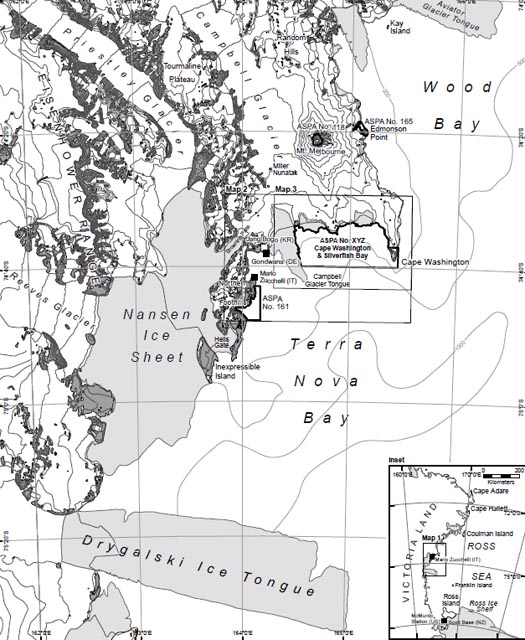
In the case of Cape Washington and Silverfish Bay, the ASPA encompasses an emperor colony that boasts as many as 20,000 breeding pairs, as well as a nursery and hatchery for silverfish, a herring-sized fish that is a key species in the Ross Sea food web. All but two percent of ASPA No. 173 is marine territory.

“I think it was important to create an ASPA for Cape Washington because it has the second, if not the largest, emperor penguin colony in the world,” said Dr. Paul Ponganis External Non-U.S. government site, “and also because an adjoining section of Terra Nova Bay is the only known nursery site of the Antarctic silverfish.
Map of a region in Antarctica.
Photo Credit: ERA
A map shows the Cape Washington and Silverfish Bay ASPA.
Snowy area punctuated by a few rocky areas.
Photo Credit: Dr. Paul Ponganis/Antarctic Photo Library
What appears to be dirty snow in this aerial photo of Cape Washington is actually the emperor penguin colony.
“Both are valuable biological sites worth preserving and protecting,” he added.

An anesthesiologist and marine biologist, Ponganis has studied Antarctica’s largest penguin species for more than 20 years, research first pioneered in the 1960s by his colleague at the University of California-San Diego’s Scripps Institution of Oceanography, Gerry Kooyman External Non-U.S. government site. [See previous article — A big breath; Study tackles emperor penguin diving physiology, population dynamics and even leopard seals.]

Both Ponganis and Kooyman provided advice and data for the proposed ASPA, which was officially adopted at the 36th Antarctic Treaty Consultative Meeting (ATCM) External Non-U.S. government site in Brussels, Belgium, in May of this year.

The Cape Washington colony competes with Coulman Island, also in the Ross Sea, as the largest emperor penguin colony in the world. The former represents about eight percent of the global emperor population and accounts for roughly a fifth of the Ross Sea population.

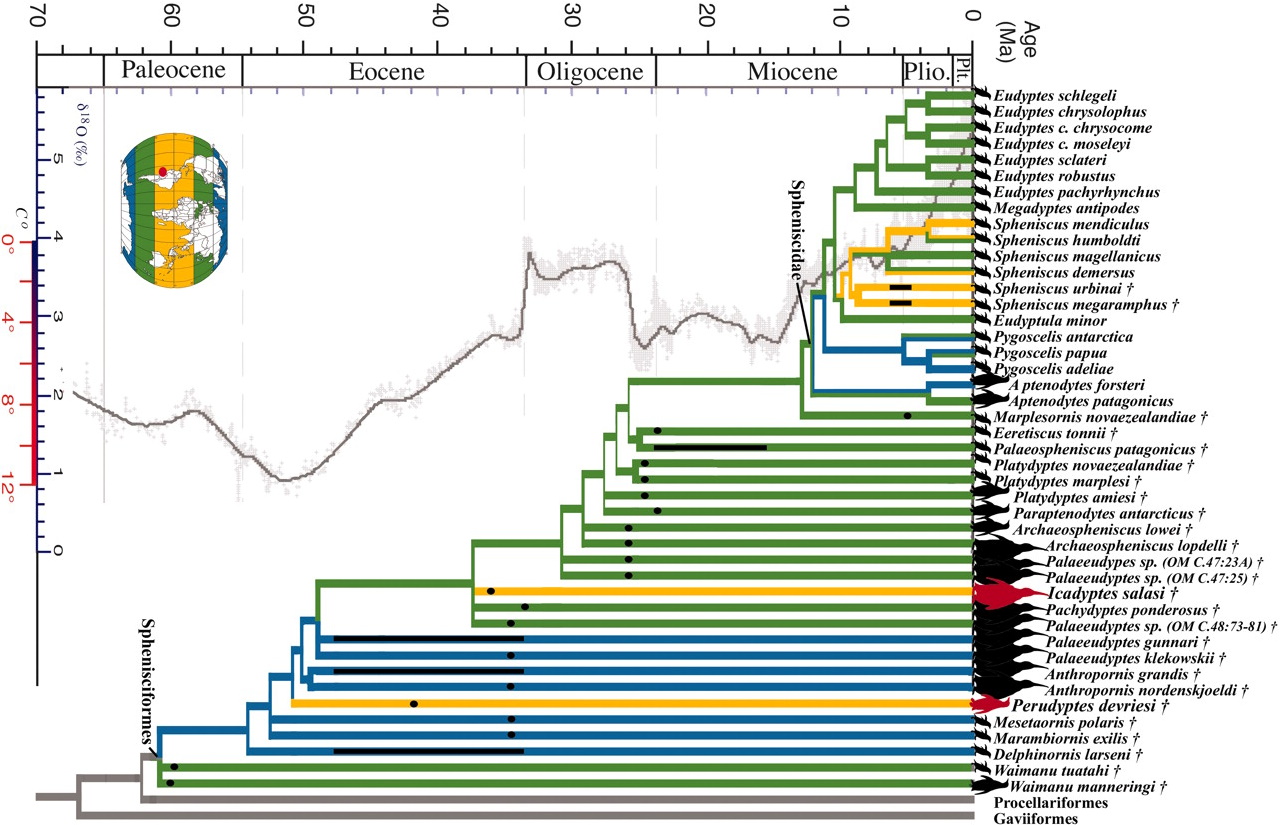
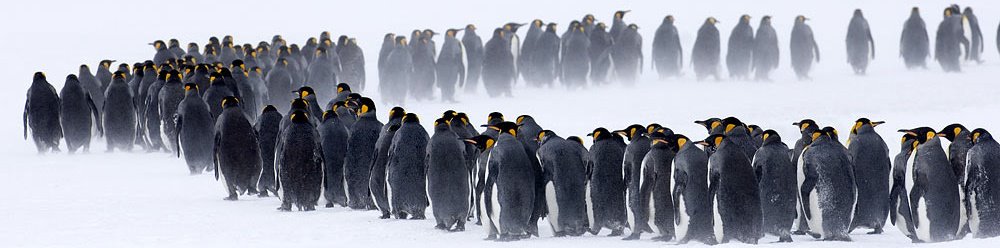
Emperor penguins, Aptenodytes forsteri, are the largest of 17 species. They are unique in their breeding habits, incubating a single egg throughout the Antarctic winter. The fat reserves of the male, in combination with a huddle strategy, help protect the males and their eggs through the winter when coastal temperatures can drop below minus 30 degrees Celsius.

No colony is more successful at breeding than the one at Cape Washington, which averages about 95 percent of chicks successfully fledged, according to one six-year study. Colonies in East Antarctica average around a 60 to 70 percent success rate.

About 20 kilometers west of Cape Washington is Silverfish Bay, where the first documented nursery and hatching area for Antarctic silverfish (Pleuragramma antarcticum) is located.

According to the ASPA description, recent research has shown that the concentration of spawning can extend all the way across the embayment to Cape Washington, with the first “ground-breaking” studies on the life history of this species taking place at the site.

One of the biggest challenges in designing the Cape Washington and Silverfish Bay ASPA involved protecting the site while still allowing access for tourists and personnel from nearby research stations, according to Colin Harris, director of Environmental Research & Assessment (ERA) External Non-U.S. government site. ERA helps prepare environmental documents and assessments on behalf of the National Science Foundation (NSF) External U.S. government site, which manages the U.S. Antarctic Program (USAP) External U.S. government site.

“Initially, we encountered considerable opposition to the proposal for this reason,” Harris explained by e-mail. “The boundaries needed to be designed in accordance with the environmental and scientific values, although this meant that visitors without a permit would be excluded from the breeding locality of the emperors.”

The compromise involved establishing a boundary that allows visitors to access sea ice in the vicinity of the main colony to view penguins but does not grant access to the core of the breeding area, which is usually centered about one kilometer northwest of the cape.

There are two research stations within the immediate vicinity. One is Mario Zucchelli External Non-U.S. government site, an Italian station that operates only during the summer months, from October to February. Nearby is also a summer-only German research station, Gondwana.

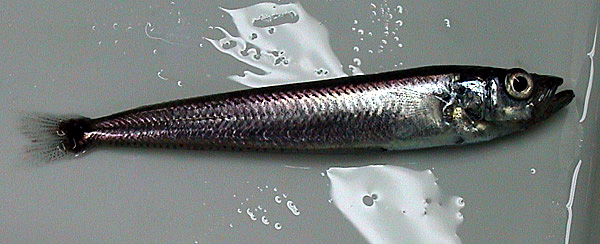
Silverfish
Photo Credit: Joel Bellucci
Antarctic silverfish
South Korea is currently building a year-round facility in the region that will house up to 60 in the summer after construction is complete next year. The Chinese have announced plans to establish a station on nearby Inexpressible Island.

In addition, the emperor colony has drawn a modest number of tourists for the last 20 years. Over the last decades, the site has averaged about 200 people each year. Nearly 35,000 tourists visited Antarctica in 2012-13, most visiting the Antarctic Peninsula, on the others side of the continent.

The size of the Cape Washington and Silverfish Bay ASPA is relatively modest compared to other specially protected areas, according to Harris.

“It was recognized that the emperors forage far beyond this limit, extending right across the Ross Sea, so it was decided to focus on the breeding area of the emperors, as well as the ‘nursery’ area of the silverfish in the context of the concentration of human activities in the vicinity,” he explained.
The Cape Washington ASPA also affords protection to a number of species that nest or forage within the ASPA.

A south polar skua colony of about 50 pairs of birds is located on the ice-free slopes of Cape Washington, overlooking the emperor colony. Snow petrels have been recorded as breeding in niches in the Cape Washington cliffs.

Leopard seal head pokes out of the water.
Photo Credit: Dr. Paul Ponganis/Antarctic Photo Library
A leopard seal prowls for prey near Cape Washington.
Adélie penguins have also been observed along the ice edge and within the emperor colony during summer months, while Wilson’s storm petrels are frequently observed along the ice edge from mid- to late-November. Southern giant petrels have been seen flying overhead.

Large pods of killer whales, with groups of up to 100 individuals, are regularly observed foraging around Cape Washington. Other whales spotted in the area include minke whales and Arnoux’s beaked whales.
Three species of seal — Weddell, leopard and crabeater — are also commonly seen in the area.

The United States has put forth 15 ASPAs over the years. Last year, the Antarctic Treaty nations adopted the first sub-aerial ASPA, Lower Taylor Glacier and Blood Falls ASPA 172 Link to PDF file, also proposed by the United States. [See previous article — Environmental precedent: Blood Falls becomes first subglacial ASPA to protect scientific values.]
Blood Falls External U.S. government site hosts a subglacial ecosystem that is home to a unique microbial community, which scientists believe has evolved over hundreds of thousands of years to subsist on a chemical soup of sulfur and iron compounds in the absence of oxygen and light. It’s the sort of conditions that might exist on another planet or moon, making it a valuable natural laboratory to study exobiology.
ASPA No. 173 will protect yet another natural laboratory where scientists can continue to study Antarctica’s unique ecosystem.

“I think the value of the Cape Washington ASPA is the recognition of the biological value of its larger emperor penguin colony and  the silverfish nursery, and, consequently, the value of ensuring preservation and protection of the region in the future,” Ponganis said.

source

Wednesday, July 17, 2013

The worst egg hunt in the world

Name: Cherry's eggs
Species: Emperor penguin (
Aptenodytes forsteri)
Date: 1911
Claim to fame: A reminder of the worst journey in the world

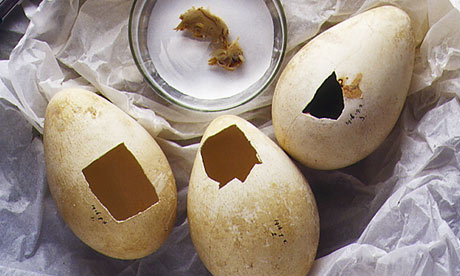
Emperor penguin eggs collected in Antarctic
 
The three emperor penguin eggs collected at Cape Crozier have survived more than 100 years and travelled more than 25,000km. Photograph: Natural History Museum
 
There are three eggs, each about the size of a mango. They are not any old eggs. They are emperor penguin eggs, a fragile reminder of an audacious egg hunt that became known as "the worst journey in the world,"

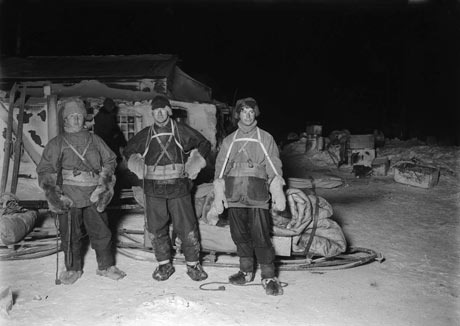
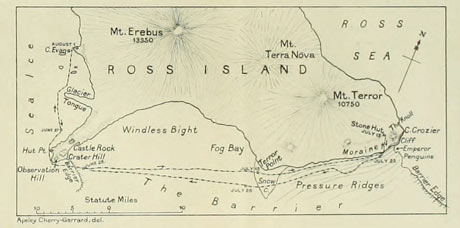
The date is 27 June 1911 and the setting is Cape Evans in the Antarctic during Robert Falcon Scott's Terra Nova expedition. Three men - Edward Wilson, Henry "Birdie" Bowers and Apsley Cherry-Garrard (aka Cherry) - leave the expedition base behind and head out into the pitch-black of the Antarctic winter. Their destination is an emperor penguin rookery at Cape Crozier, more than 100km away. The purpose of the trip is to collect some eggs with a view to taking a look at their embryonic contents.

Why go to such lengths for a few scrawny penguin chicks with bulbous, unseeing eyes? At a time when the molecule of heredity - DNA - had yet to be identified, the theory of recapitulation (essentially that an embryo takes the various forms of its evolutionary anc
+/1   estors in sequence as it develops) still had its followers. Wilson, the Terra Nova's chief zoologist, was among them. He bought into the idea that the emperor penguin was one of the most primitive birds alive, and believed that an embryonic emperor might provide evidence for a link between dinosaurs and birds. "The earliest bird, the Archaeopteryx, had teeth," Wilson told his fellow explorers before he left the hut at Cape Evans (see his Lecture on Penguins). "One hopes to find real teeth in the embryo of the emperor penguin, though none are present in the adult bird."

If Wilson was to get his mittens on this coveted prize, he would need to strike out in the depths of the Antarctic winter when the eggs were being incubated. This was dangerous in the extreme and Scott had his reservations. "This winter travel is a new and bold venture," he wrote, "but the right men have gone to attempt it." Wilson was certainly tough enough to undertake a round trip of more than 200km in temperatures that frequently fell below -70C with little more than moonlight to guide them, but even he cannot have anticipated just how hard it would be
.
Terra Nova Expedition: Explorers before trek to Cape Crozier`o

Henry Bowers, Edward Wilson and Apsley Cherry-Garrard (from left to right) on 5 July 1911 before leaving for Cape Crozier. Photograph: Popperfoto/Getty Images 
 
At times they were unable to haul both sledges together. They had to uncouple them and drag them one at a time, which meant trudging back and forth; thee miles travelled for one mile gained. Their sweat froze inside their clothes; their breath iced their balaclavas to their heads; over and over they fell into crevasses. So horrific was the outward leg that by the time they reached Cape Crozier 19 days later, Cherry was ready to give up. "I for one had come to that point of suffering at which I did not really care if only I could die without much pain," he wrote in The Worst Journey in the World.

Looking down from the foothills of Mount Terror on the eastern edge of Ross Island, Cherry described the frozen Ross Sea as "white and peaceful as though such things as blizzards were unknown … God! What a place!" Somewhere out there, the embryonic penguins were waiting. When they finally reached the colony the light (such as it was) was fading fast. "The disturbed Emperors made a tremendous row, trumpeting with their curious metallic voices," wrote Cherry. Keen to avoid being caught out on the sea ice at night, they had to rush, collecting five eggs, skinning three adults for their blubber and legging it back to a half-finished igloo they'd made as a camp. Cherry's pickings – two eggs – cracked en route.

The blizzard that came that night raged for several days: "The indescribable fury and roar of it all cannot be imagined," wrote Cherry. It was a miracle they made it back alive. "Good God! Here is the Crozier Party," was the stunned reaction when Wilson, Bowers and Cherry staggered back to base after an absence of five weeks.

Map of 'The Worst Journey in the World' 
 Apsley Cherry-Garrard’s map of the Winter Journey, as it appears in The Worst Journey In the World. Photograph: Internet Archive 
 
The three remaining eggs were intact but frozen solid, the shells "of a bluish white shade, much discoloured by stains". Wilson thawed them out, cut little windows in each shell and was thrilled to find the penguins (which he pickled) in an advanced stage of development.

The following year, in March 1913, Wilson and Bowers perished along with the rest of Scott's party on the return journey from the South Pole, leaving Cherry the guardian of the three precious eggs. He took the responsibility seriously, taking them to the Natural History Museum in South Kensington in person.

In Cherry's retelling – in the third person as the "Heroic Explorer" – he received anything but a hero's welcome. "What do you want? This ain't an egg-shop," spat one custodian. A more senior colleague took the eggs but brushed off Cherry's demands for a receipt. "It is not necessary: it is all right. You needn't wait." But after what he'd endured to get the eggs, Cherry was going nowhere without one. When the receipt finally materialised, he imagined the Heroic Explorer accosting the custodian "(mostly with his boots) by way of teaching him manners ."

With Cherry's persistence, the eggs ended up in the hands of Richard Assheton, an embryologist at Cambridge University. His assistant Dorothy Thursby-Pelham (who would go on to become "England's first female sea-going fisheries scientist") produced a series of beautiful pencil sketches of the intact emperors before Assheton sliced up two of the specimens, mounting sections onto some 800 slides.

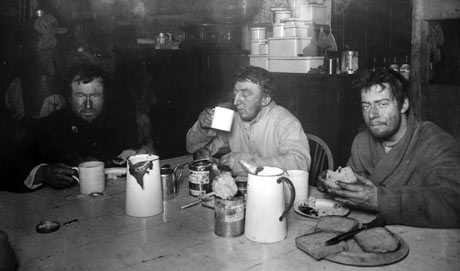
Terra Nova Expedition: three explorer after return from Cape Crozier  
Wilson, Bowers and Cherry-Garrard (from left to right) back at the expedition base after their return from Cape Crozier. Photograph: Popperfoto/Getty Images 
 
Unfortunately, Assheton turned up his toes before he could complete his report and the eggs and their diced contents went north again, this time to zoologist James Cossar Ewart at the University of Edinburgh. Following a careful study of the emerging feathers on the embryos, he found evidence that scales and feathers do not have a common origin (as some had supposed). Instead, he envisaged a protobird covered with both scales and feathers that would eventually give rise to true birds in all their feathered glory. Ewart's conclusion: "the worst journey in the world in the interest of science was not made in vain."

Sadly, it probably was. This was certainly the opinion of anatomist Charles Parsons, who wrote a monograph on penguin embryos in 1934, concluding that the Terra Nova specimens "have not contributed much to the understanding of the embryology of penguins". With this frank admission, however, the eggs were suddenly transformed from scientific objects with little future to historical objects of immense power.

The shells, the single intact embryo and the series of microscope slides have survived for more than 100 years and travelled by sled, by ship, by train and by car a distance of more than 25,000km into the care of Douglas Russell, a curator in the Bird Group at the Natural History Museum's country home in Tring, Hertfordshire.

Most of the time, the empty eggs are kept behind the scenes, bedded down on a nest of cotton and foam in a navy blue coffin-like box. Occasionally, however, Russell will lift the lid and give the public a glimpse of these impossibly poignant eggs. One of them is currently on display in the Treasures Cadogan Gallery at the Natural History Museum in South Kensington.

source

Wednesday, July 3, 2013

Surviving Fasting in the Cold--King Chicks

 
King penguin biology is characterized by an exceptionally long breeding cycle during which the chicks exhibit a terrestrial growing phase of longer than one year. During the austral winter, king penguin chicks are infrequently fed by their parents and usually undergo severe food deprivation. (Credit: Pierre-Axel Monternier)
 
 
July 2, 2013 — King penguin chicks survive harsh winters with almost no food by minimising the cost of energy production. A new study, to be presented at the Society for Experimental Biology meeting in Valencia on the 3rd July, shows that the efficiency of the mitochondria, the power house of the cell, is increased in fasted king penguin chicks.

King penguin chicks are socially and morphologically well adapted to harsh environmental conditions, however, they experience a severe energy challenge during the cold sub-Antarctic winter, when food is not readily available. Research headed by Pierre-Axel Monternier and Prof Damien Roussel at the Ecology of Natural and Man-impacted Hydrosystems laboratory in France looked, for the first time, at how the king penguin chicks' mitochondria in skeletal muscle, the main heat producing tissue in birds, function during fasting in the winter.

Pierre-Axel Monternier said: "We found that the efficiency of mitochondrial functioning increased in fasted winter-acclimatized king penguin chicks. This indicates that less substrate/oxygen was consumed to produce the same amount of energy in the form of ATP, showing that mitochondria from fasted chicks adjust its functioning to minimize the cost of energy production."

This study shows how king penguins are able to produce heat to survive the cold without depleting their energy stores, an essential mechanism to survive the cold when food is scarce. Their biological adjustments increase survival of chicks, which, among birds, have an unrivalled fasting endurance (up to 5 months).

Fasting in the cold represents a bioenergetics trade-off between sparing energy for body maintenance and dissipating energy for heat production and endothermy maintenance. In this challenging context, chicks develop a whole range of energy sparing mechanisms (social huddling behaviour, reduction in muscle activity and basal metabolic rate, short period of hypothermia and high thermal insulation) that lead to reduce the energy allocated to heat production and growth.


Story Source:
The above story is reprinted from materials provided by Society for Experimental Biology, via EurekAlert!, a service of AAAS.
Note: Materials may be edited for content and length. For further information, please contact the source cited above.


Society for Experimental Biology (2013, July 2). Surviving fasting in the cold. ScienceDaily. Retrieved July 3, 2013, from http://www.sciencedaily.com­ /releases/2013/07/130702202903.htm